Over 50 Years Serving
Ontario & Beyond- 905-682-7272
Call Global Today

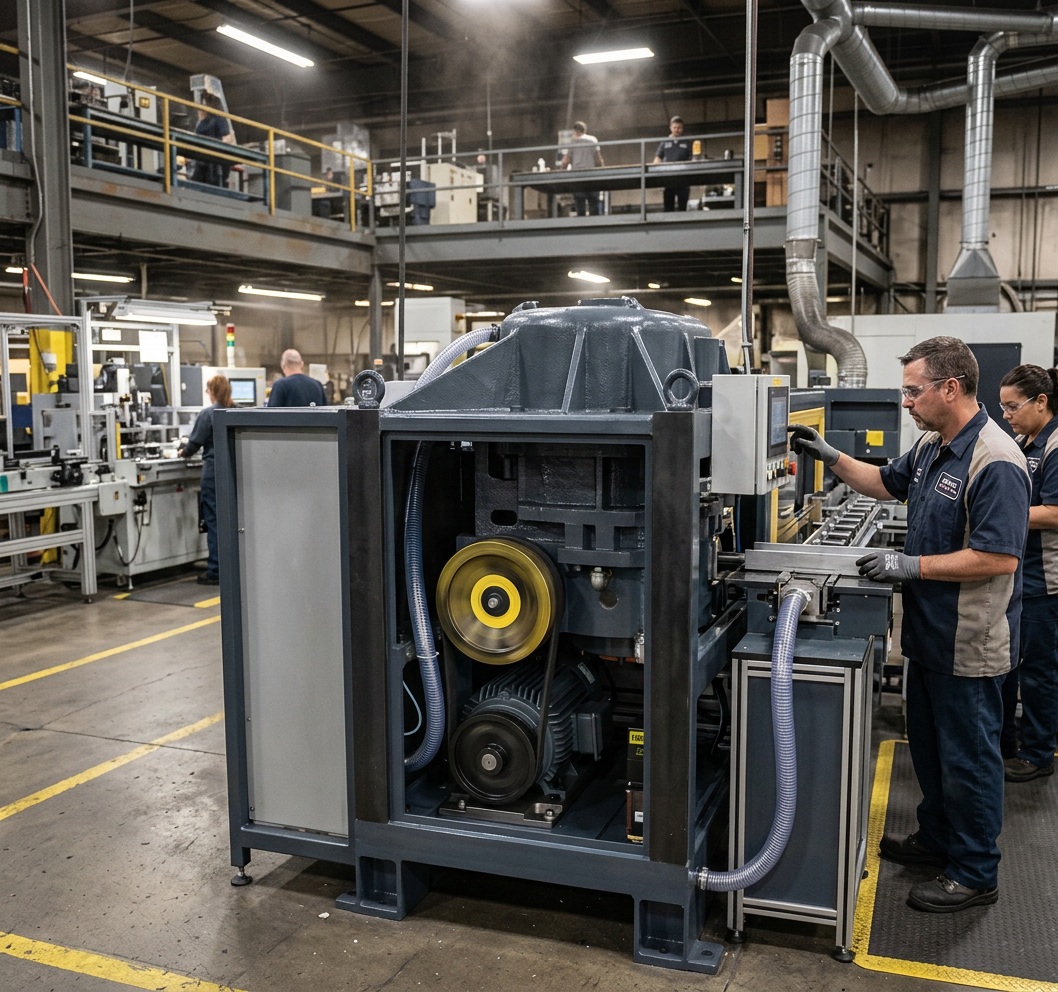
Industrial drive belts are an essential component of modern power transmission systems. Used in machinery and equipment across manufacturing, material handling, agriculture, food processing, packaging, and other industries, drive belts provide an efficient way to transfer mechanical power from one rotating shaft to another.
Depending on the application, industrial drive belts can be designed for high loads, high speeds, precise synchronization, continuous operation, or demanding environmental conditions. From traditional V-belts and flat belts to modern timing belts, ribbed belts, and specialty power transmission belts, choosing the right belt is critical for maximizing equipment performance and minimizing downtime.
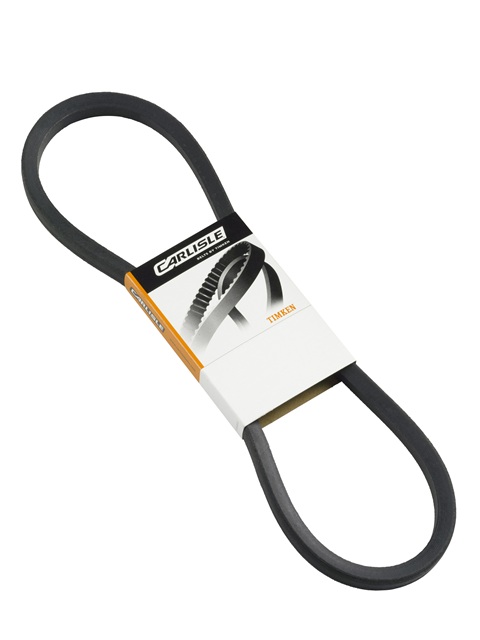
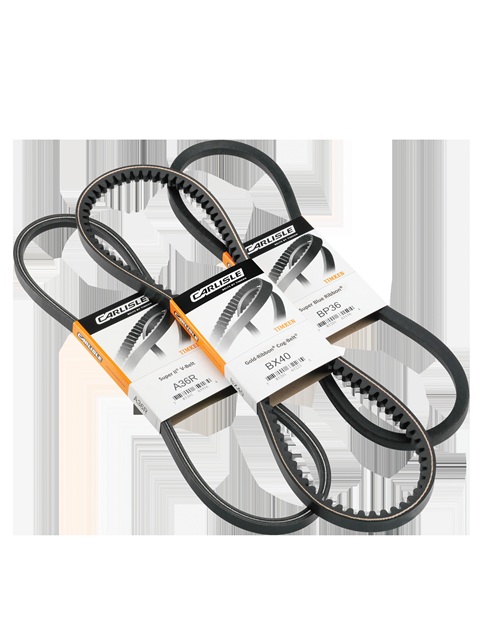
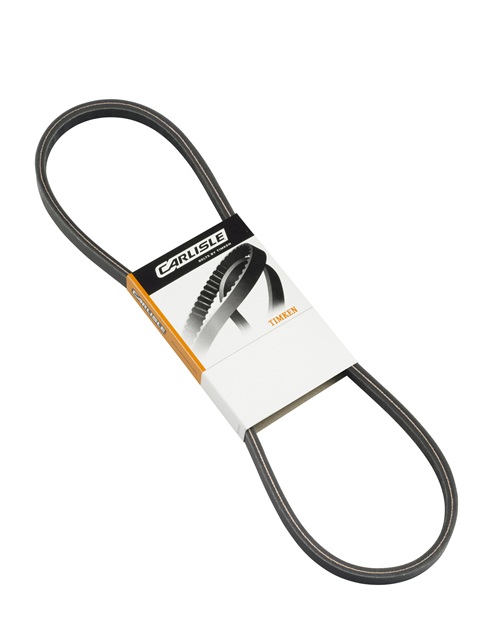
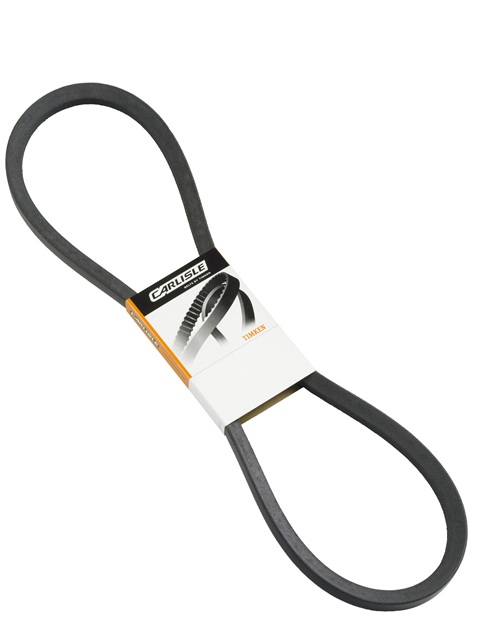
For more than 50 years we have offered brand name industrial V-belts at competitive prices. We carry a large stock of belts and we are here to help you get the right one for your needs. Contact us for more information.
Get in TouchIndustrial drive belts are an essential component of modern power transmission systems. Used in machinery and equipment across manufacturing, material handling, agriculture, food processing, packaging, and other industries, drive belts provide an efficient way to transfer mechanical power from one rotating shaft to another.
From traditional V-belts and flat belts to modern timing belts, ribbed belts, and specialty power transmission belts, choosing the right belt is critical for maximizing equipment performance and minimizing downtime.
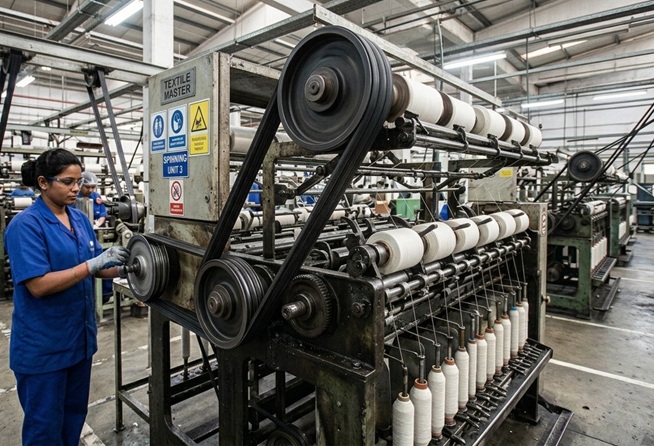
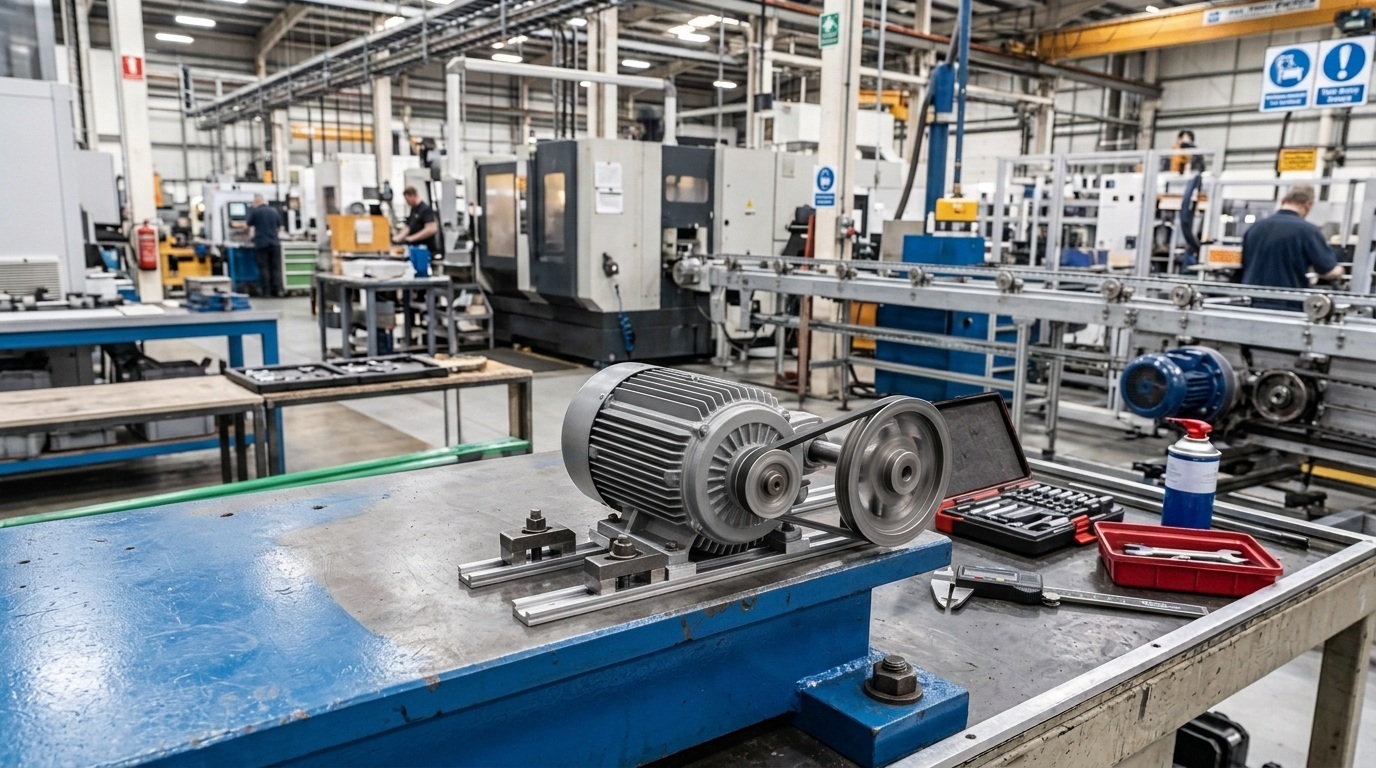
An industrial drive belt is a flexible mechanical component used to transmit rotational power between shafts. A typical belt drive consists of a belt, a driving pulley, and one or more driven pulleys.
The driving pulley is connected to a motor or other power source. As the pulley rotates, it moves the belt, which transfers that motion to the driven pulley.
Depending on the design of the belt and pulley system, power can be transferred through friction, belt tension, or positive engagement between teeth and pulley grooves.
Industrial belt drives are widely used because they can operate smoothly, absorb vibration and accommodate a wide range of machine configurations.
There are several types of industrial drive belts, and each is designed for specific operating conditions and applications.
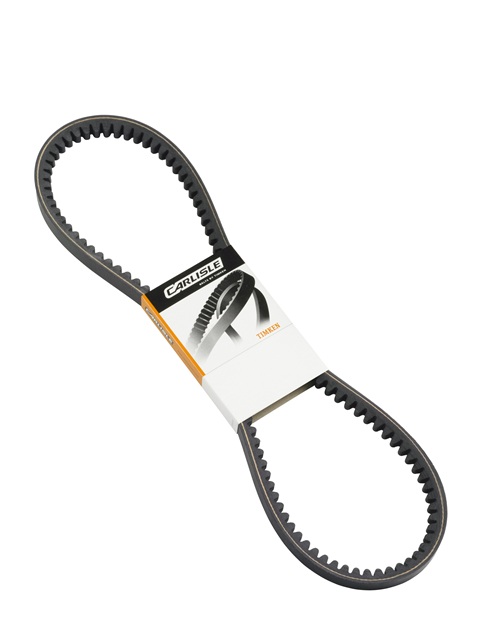
V-belts are among the most widely used industrial power transmission belts. They have a trapezoidal cross-section that fits into a matching pulley groove.
The wedging action of the belt within the pulley creates friction and allows V-belts to transmit substantial amounts of power.
V-belts are commonly used in:
• Industrial machinery
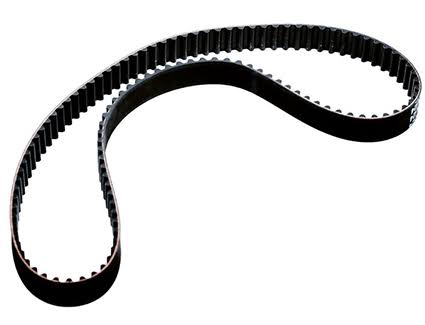
V-belts are available in different profiles, sizes, materials, and constructions. Multiple belts can also be used together when higher power transmission capacity is required.

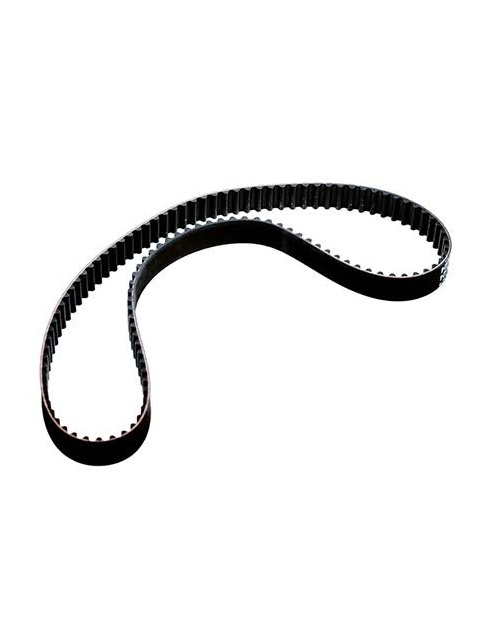
Timing belts, also known as synchronous belts, use teeth on the inner surface of the belt that engage with matching teeth on a timing pulley. Unlike friction-based belt drives, timing belts are designed to maintain a precise relationship between the driving and driven components. This makes them particularly useful for machinery requiring accurate synchronization and repeatable movement.
• CNC machineryTiming belts are available in a variety of tooth profiles, pitches, widths, materials, and reinforcement options.
Flat belts have a flat, relatively wide cross-section and transmit power through friction between the belt and pulley. They can be useful for applications requiring high-speed operation, long center distances, and flexible drive configurations.
• Conveyors
• Manufacturing machinery
• Textile equipment
• Printing machinery
• Processing equipment
• Material handling systems
Modern flat belts may be manufactured using rubber, polyurethane, polyester, polyamide, and other engineered materials.
Ribbed belts, often referred to as Poly-V belts, combine characteristics of flat belts and V-belts.
Multiple longitudinal ribs on the belt engage with corresponding grooves in the pulley. This provides a large contact area while allowing the belt to remain relatively flexible.
Poly-V belts can be used in applications requiring:
• Compact drive systems
• High-speed operation
• Multiple pulley arrangements
• Smooth power transmission
• Flexibility around smaller pulleys
Round belts have a circular cross-section and are generally used for lighter-duty power transmission and conveying applications.
They can be manufactured from materials such as polyurethane or rubber and are valued for their flexibility and ease of installation.
Round belts are frequently used in:
• Roller conveyors
• Packaging machinery
• Material handling equipment
• Light-duty machinery
• Small industrial systems
Variable-speed belts are specifically designed for applications where the operating speed needs to be adjusted. These belts are commonly used with variable-speed pulley systems, allowing machinery to operate at different speeds without replacing the belt or changing the motor.
Applications can include:
• Industrial machinery
• Machine tools
• Variable-speed drives
• Agricultural equipment
• Specialized manufacturing equipment
Industrial drive belts are used in virtually every sector where mechanical power needs to be transferred efficiently.

Manufacturing machinery often relies on belt drives to operate pumps, fans, conveyors, spindles, rollers, and other rotating equipment.
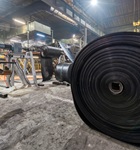
Drive belts are widely used in conveyor and material-handling systems where reliable continuous operation is important.

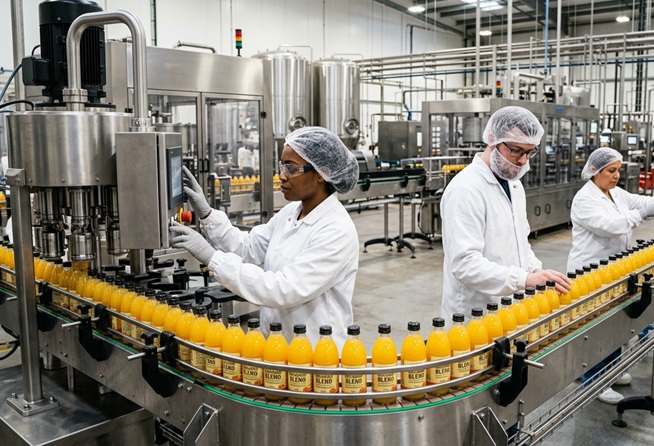
Food-processing equipment can require specialized belts designed to withstand moisture, temperature variations, cleaning chemicals, oils, and continuous operation.

Packaging machinery often requires precise and repeatable movement. Timing belts and other specialized power transmission belts can be used to synchronize rollers, conveyors, feeders, and other machine components.

Agricultural machinery operates in demanding environments where dust, dirt, temperature changes, moisture, and heavy loads can place significant stress on drive belts.
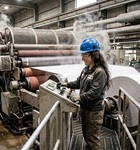
Printing machinery often requires precise synchronization and consistent movement. Timing belts and other precision power transmission belts are commonly used in these systems.
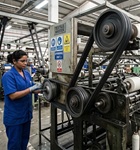
Belt drives are frequently used to connect electric motors to pumps, fans, blowers, and compressors. They provide flexibility in equipment layout and can make it easy to change operating speed through pulley selection.
Looking for a specific drive belt? Important factors may include:
• Required horsepower or power rating
• Operating speed
• Torque requirements
• Pulley diameter
• Centre distance between shafts
• Belt length and width
• Operating temperature
• Exposure to oil, chemicals, moisture, or contaminants
• Shock and vibration • Required synchronization
• Available installation space
• Duty cycle
• Environmental conditions
• Maintenance requirements
Choosing the correct industrial drive belt requires more than simply matching the belt length call 905-682-7272 today to speak with an expert.

Located in Niagara Falls, Ontario, our experienced technical staff is always available to assist you in finding the right product for your project needs. We offer fast delivery and competitive pricing to ensure your project stays on time and budget.
Global Rubber Products began in 1976. Originally in Scarborough Ontario Canada they supplied o-rings, seals, gaskets, sheet rubber and other quality products to customers around the region.