Over 50 Years Serving
Ontario & Beyond- 905-682-7272
Call Global Today
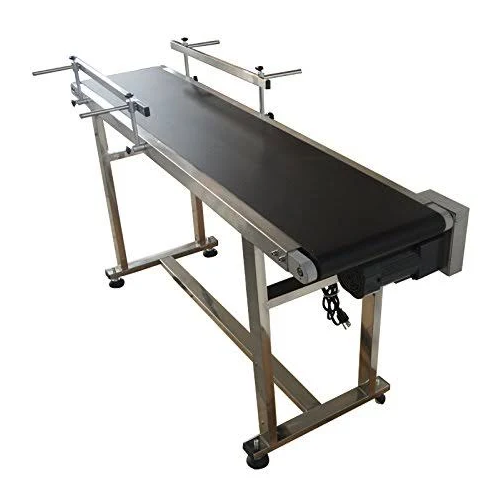
Conveyor belts are an essential part of modern manufacturing, processing, and material handling operations. Designed to move products, components, and bulk materials efficiently, conveyor belting helps businesses streamline production, reduce manual handling, and maintain consistent material flow.
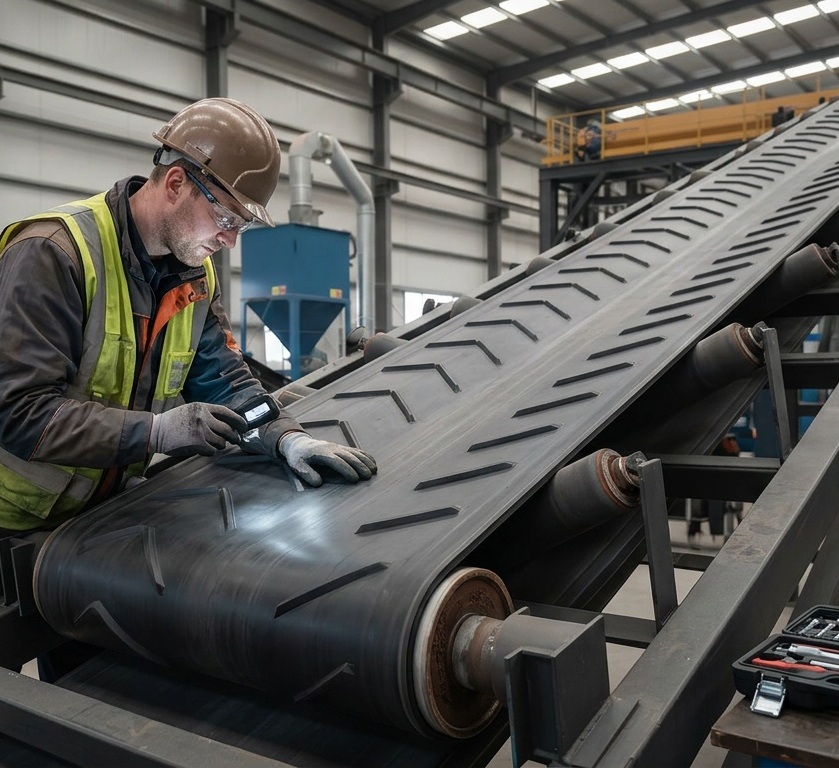
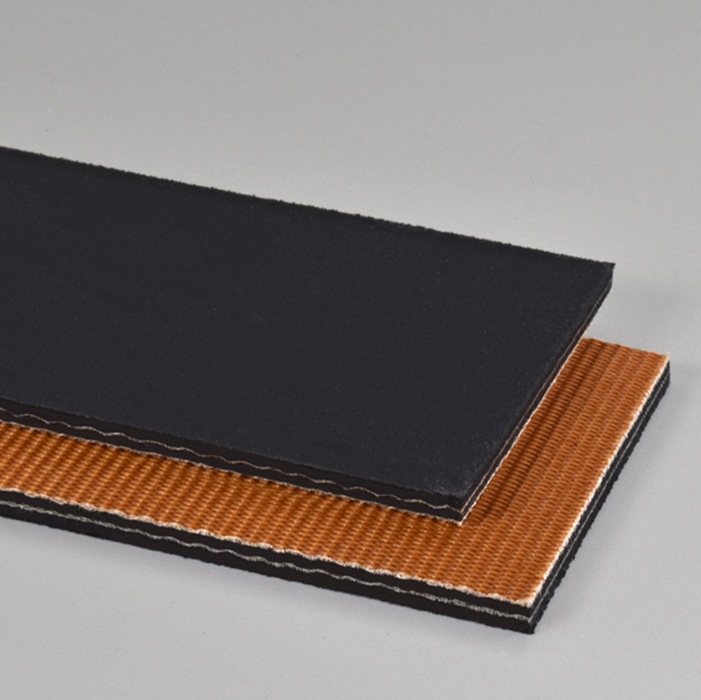
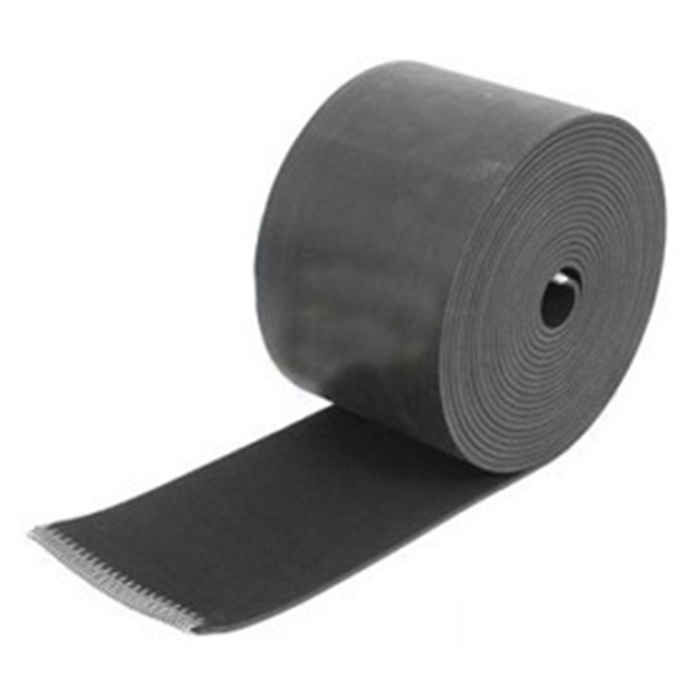
Industrial conveyor belts are manufactured using different materials and construction methods to accommodate specific operating conditions. Many rubber conveyor belts consist of a reinforced internal carcass, which provides strength and stability, along with rubber covers designed to protect the belt from wear and environmental exposure.
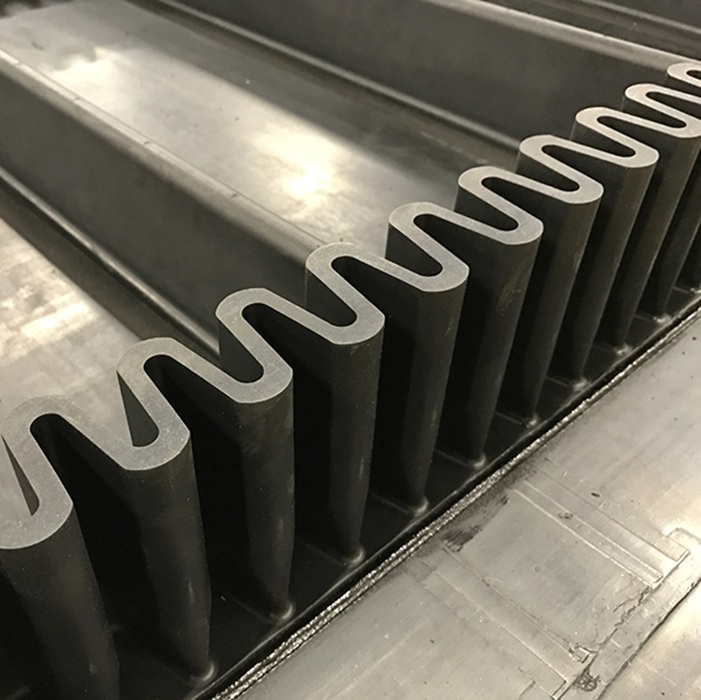
Depending on the application, conveyor belts may be designed to handle heavy loads, abrasive materials, elevated temperatures, oil exposure, moisture, or inclined conveying.

Conveyor belting is used across a wide range of industries to transport materials and products safely and efficiently.
Common applications include:
• Moving sand, gravel, stone, minerals, coal, and other bulk materials.
• Transporting components, parts, assemblies, and products between production stages.
• Moving recyclable materials, scrap, and waste through sorting and processing equipment.
• Conveying packages, cartons, boxes, and other goods through material-handling systems.
There is no single conveyor belt suitable for every application. Belt construction, cover material, surface profile, and operating specifications all influence performance. The appropriate belt depends on the material being conveyed and the conditions in which the conveyor operates.

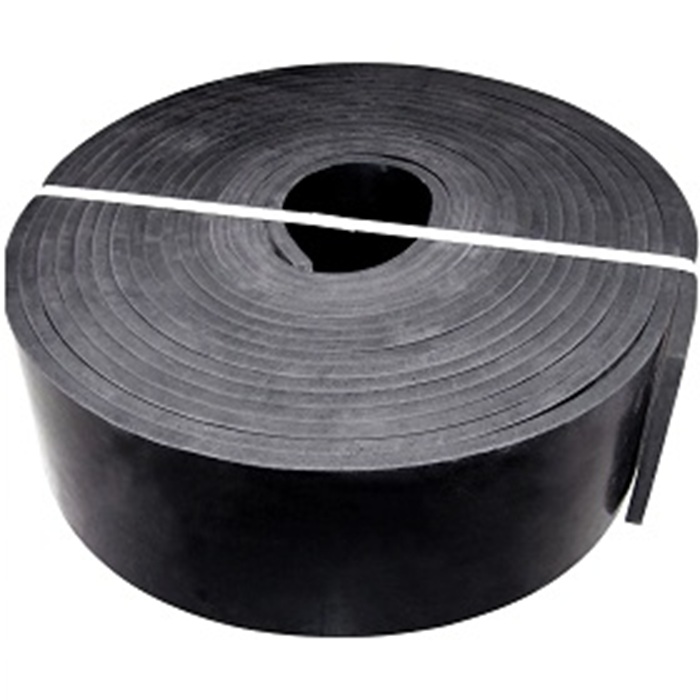
Rubber conveyor belts are widely used in industrial and heavy-duty material-handling applications. They are valued for their durability, flexibility, and ability to withstand demanding operating conditions.
Modern flat belts may be manufactured using rubber, polyurethane, polyester, polyamide, and other engineered materials.
Rubber belting is commonly used for transporting bulk materials such as aggregate, sand, gravel, coal, minerals, and other industrial products. Depending on the compound and construction, rubber conveyor belts can be selected for applications requiring abrasion resistance, impact resistance, oil resistance, or heat resistance.
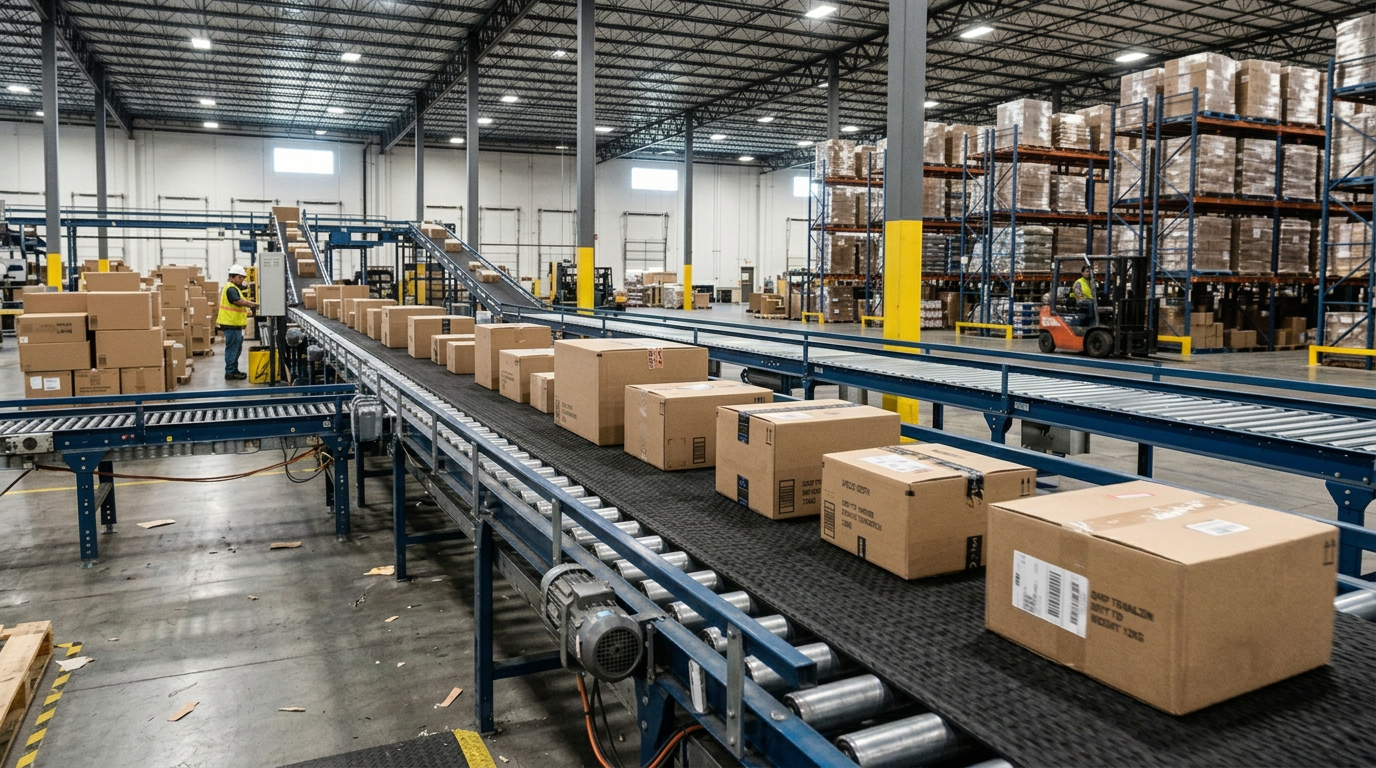
Multi-ply conveyor belts feature multiple layers of fabric reinforcement bonded together within the belt. This construction provides strength, flexibility, and load-supporting capability.
They are commonly used in general industrial conveying, aggregate handling, mining, recycling, and other applications where dependable material transport is required.
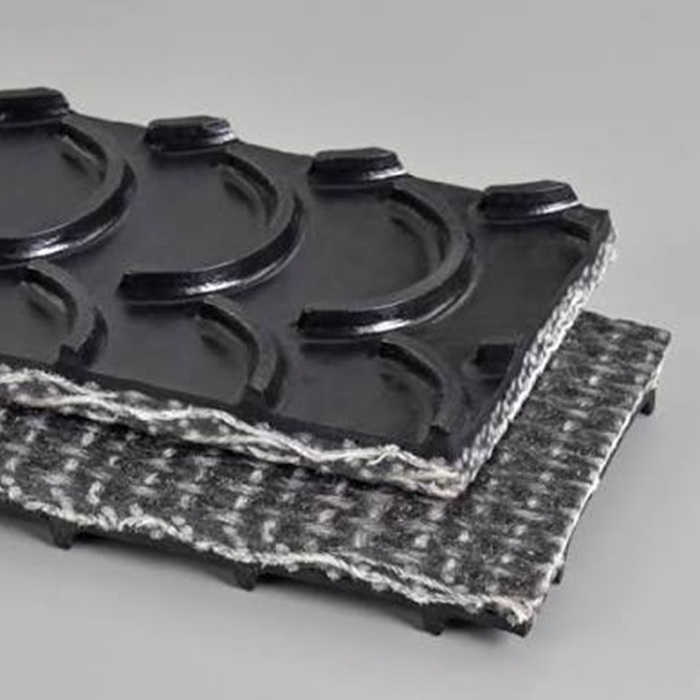
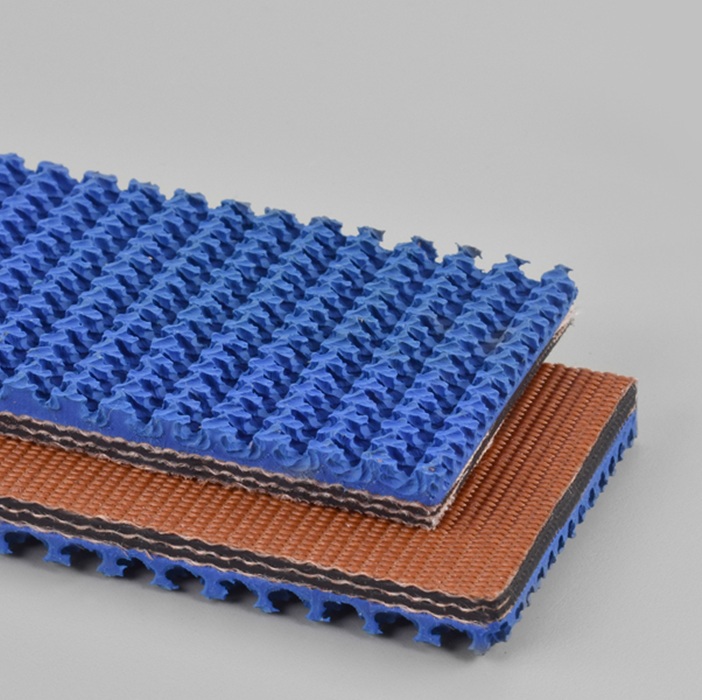
Cleated and chevron conveyor belts feature raised profiles or patterns on the belt surface. These designs help improve material grip and reduce product slippage when conveying materials on an incline.
They are commonly used for moving loose or bulk materials, including aggregate, grain, packaged goods, and other products that require additional surface traction.
Rough-top conveyor belts feature a textured surface designed to provide additional grip. They are often used for inclined conveying and applications involving packaged products, boxes, bags, and materials that may shift during transport.
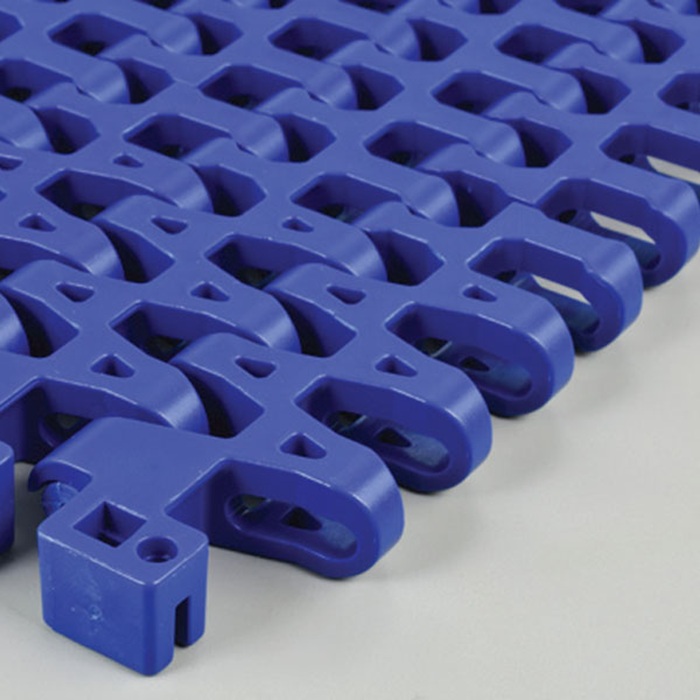
Plastic Modular belts are easier to install, repair and to clean. They are great in food applications and have a wide selection of surfaces and styles. Metal or steel modular belts are used in ovens/furnaces or extreme heat applications.
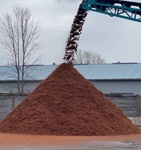
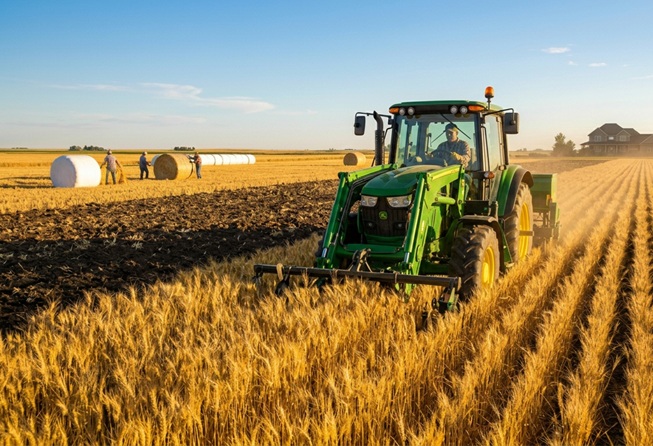
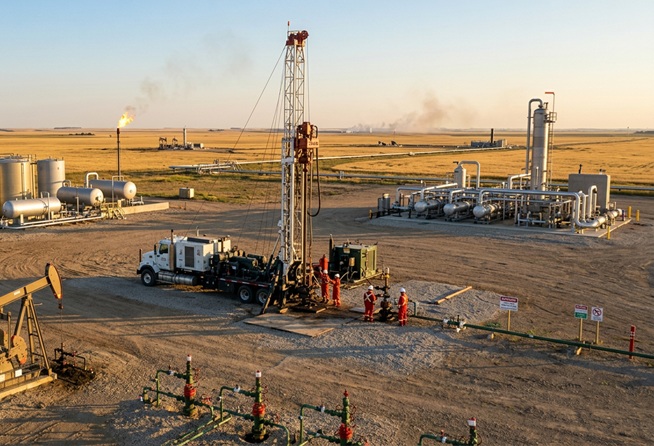
Mining, quarrying, and aggregate operations rely on conveyor systems to move large quantities of heavy materials including, Crushed stone, Sand & gravel, Limestone, Construction aggregates & more.

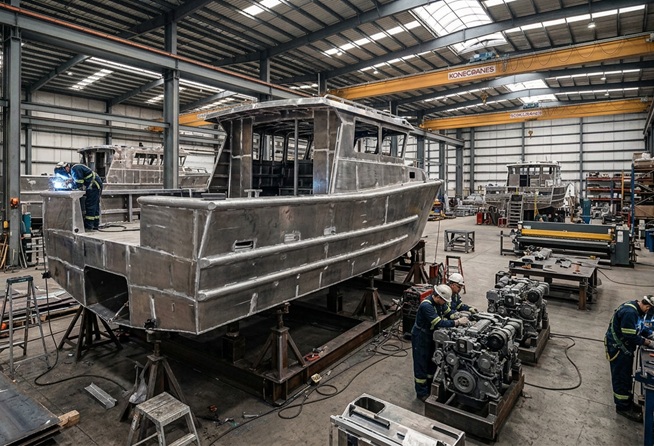
In manufacturing facilities, conveyor belts help move parts, components, and finished products through production processes.
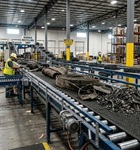
Recycling and waste-processing facilities often handle materials with varying sizes, shapes, and levels of abrasion.

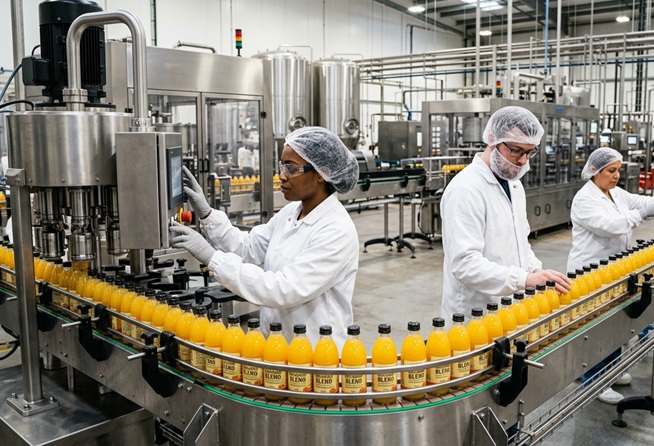
Food processing, packaging, and related industries use conveyor systems to transport products through preparation, processing, sorting, and packaging stages.
Located in Niagara Falls, Ontario, our experienced technical staff is always available to assist you in finding the right product for your project needs. We offer fast delivery and competitive pricing to ensure your project stays on time and budget.
Global Rubber Products began in 1976. Originally in Scarborough Ontario Canada they supplied o-rings, seals, gaskets, sheet rubber and other quality products to customers around the region.